LIST OF PLANTS FROM SELECTED AREA
1.MIMOSA DIPLOTRICHA (GIANT SENSITIVE PLANTS)
ആനത്തൊട്ടാവാടി
FAMILY:LEGUMINOUS
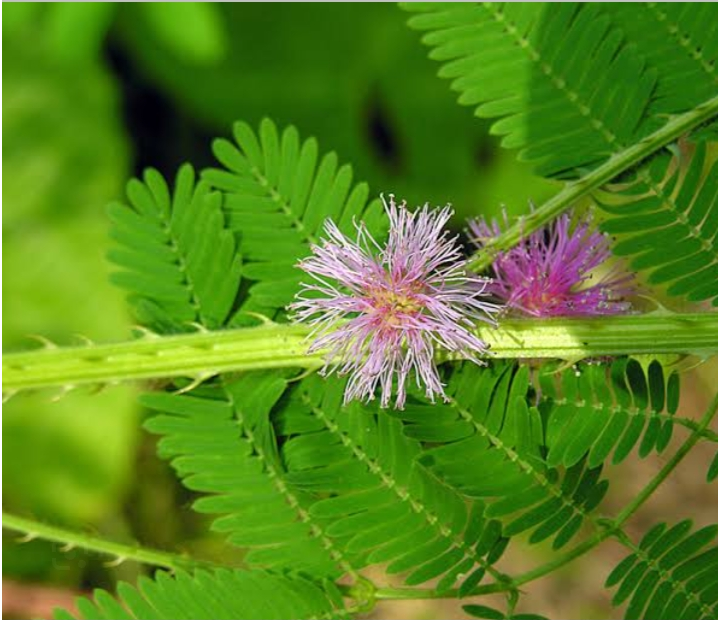
Mimosa diplotricha is a neotropical invasive shrub that forms dense, thorny thickets and spreads aggressively in tropical and subtropical regions. It is known as the giant sensitive plant and smothers native plants by climbing over them, and its sharp, hooked spines make it difficult for animals to graze or penetrate the thickets. This invasive species can negatively impact native ecosystems, agriculture, and biodiversity
2.MIKANIA SCANDENS (CLIMPING HEMPWEED)
FAMILY:ASTERACEAE
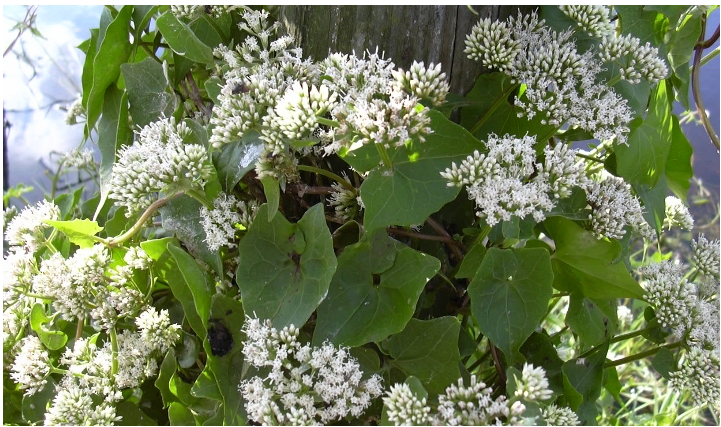
Mikania scandens, or climbing hempweed, is a herbaceous vine native to Eastern North America that is often confused with the invasive Mikania micrantha. While M. scandens can act as a local weed in its native range, it is not considered broadly invasive there and is even endangered in some parts of its native range. Its invasive reputation in places like Hawaii and Southeast Asia is likely due to misidentification with the highly invasive M. micrantha, which is known for its serious environmental and economic impacts
3.PENNISETUM SETACEUM (CRIMSON FOUNTAIN GRASS)
പോതപ്പുല്ല്
FAMILY:GRASS FAMILY
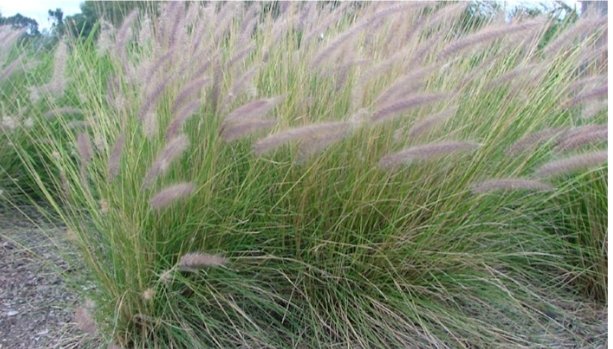
Crimson fountain grass, also known as purple fountain grass is a drought-tolerant,fast growing,perennial bunch grass that is considered invasive in many regions. It forms dense clumps and is known for its plumose, purple-to-crimson-colored flower spikes. Its invasiveness is due to its ability to outcompete native plants for resources, its high seed production, and its tolerance for harsh conditions.
4.MUCUNA BRACTEATA (MUCUNA)
തോട്ടപ്പയർ
FAMILY:LEGUMINOUS
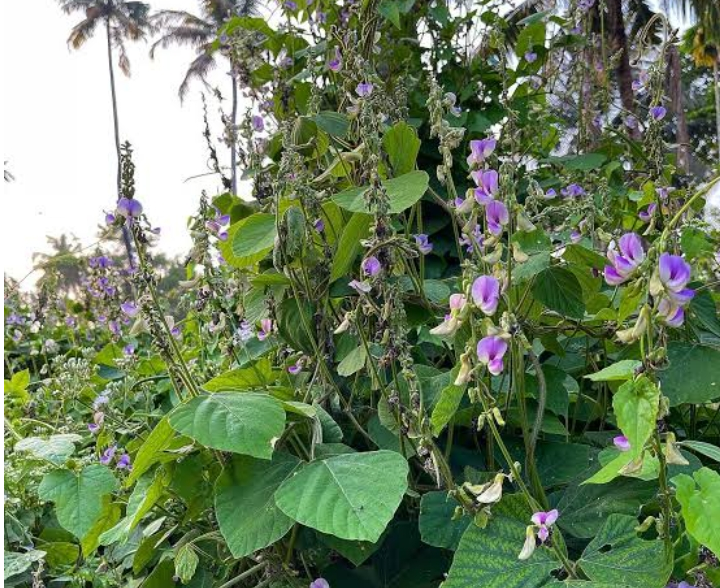
While certain Mucuna species, particularly M. bracteata, are cultivated for benefits like nitrogen fixation, their makes them highly invasive. They can quickly escape cultivation and devastate natural and agricultural ecosystems. This aggressive perennial vine grows rapidly, up to 10–15 centimeters per day. It has deep, strong roots that make it difficult to eradicate completely. The plant can regenerate vigorously even from small root fragments left in the soil.
5.ECHINOCHLOA CRUS-GALLI (COCKSPUR GRASS)
കവട പുല്ല്
FAMILY:GRASS FAMILY
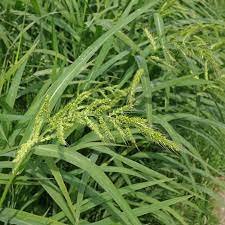
Cockspur grass is an invasive annual grass that is considered one of the world's worst weeds, particularly in rice paddies, due to its ability to outcompete crops for nutrients. It grows up to 1.5 meters tall with coarse, flat leaves and a branching, bristly inflorescence. Its invasive nature is due to its rapid growth, ability to outcompete crops for nutrients, potential to cause crop failure, and capacity to accumulate nitrates that can poison livestock.
6.CHROMOLAENA ODORATA (SIAM WEED)
കമ്മ്യൂണിസ്റ്റ് പച്ച
FAMILY:ASTERACEAE
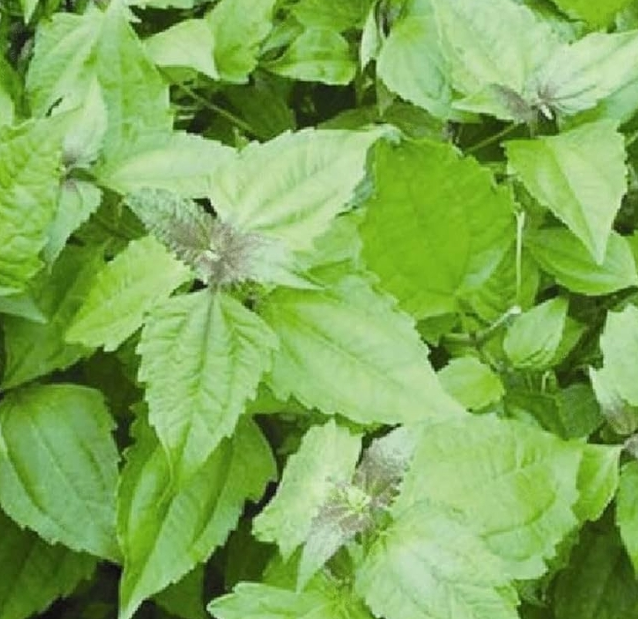
Siam weed is a fast-growing, invasive perennial shrub native to South and Central America that has become a major weed in tropical and subtropical regions .It forms dense, tangled bushes, grows to 1.5–2.5 meters tall, and can climb other vegetation to reach up to 6 meters. Key identifying features include triangular leaves with a distinctive "pitchfork" pattern and small, fragrant, fluffy flowers that are white when young and turn mauve or purple as they mature. It outcompetes native plants, has allelopathic effects (releasing chemicals that inhibit other plants), can cause skin allergies, and its leaves are toxic to cattle.
7.AGERATUM CONYZOIDS (GOAT WEED)
അപ്പച്ചെടി
FAMILY:ASTERACEAE
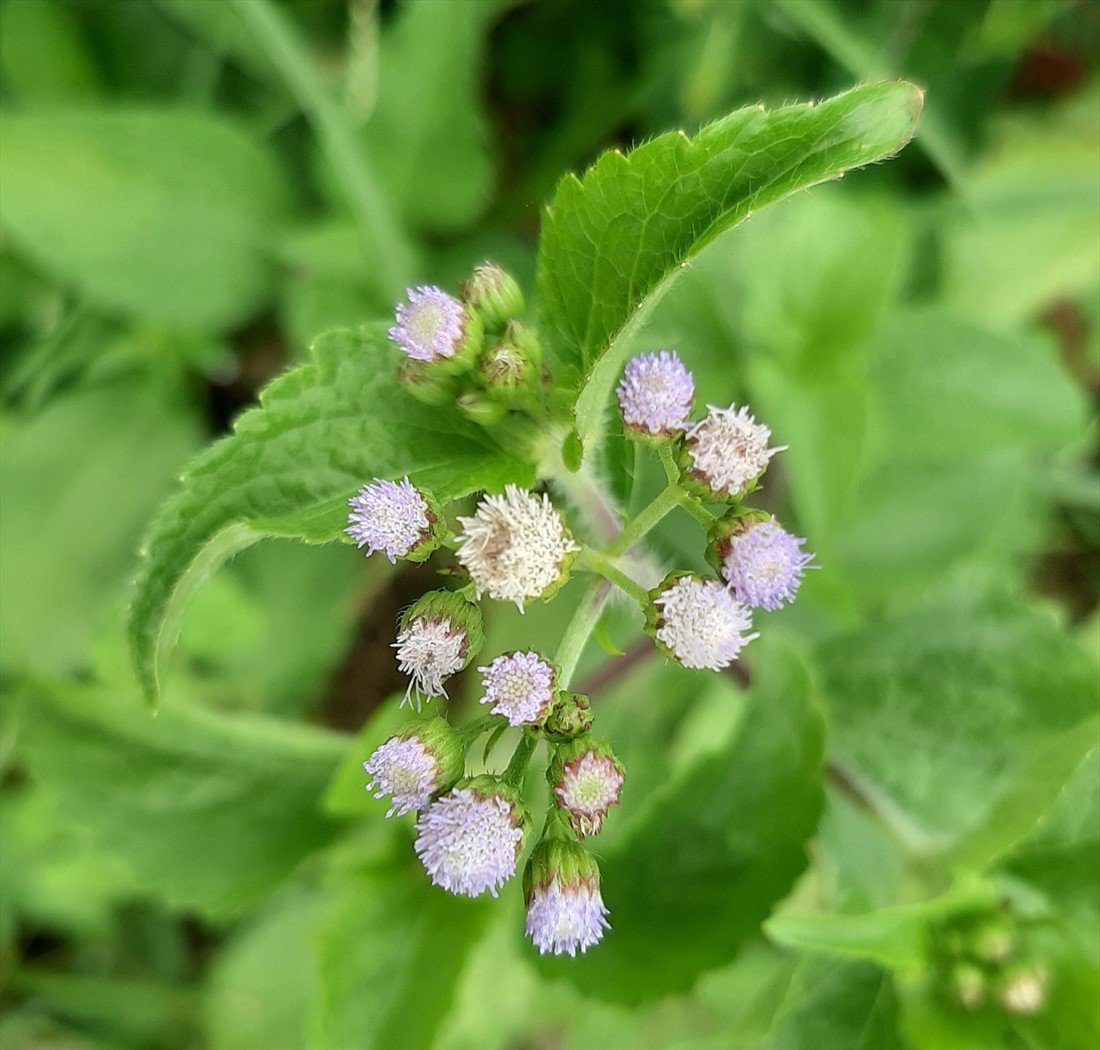
Goatweed (Ageratum conyzoides) is an invasive annual herbaceous plant that grows up to 1 meter tall, with ovate, toothed leaves and a reddish, hairy stem. It is native to Central and South America but has become a globally problematic weed, particularly in tropical and subtropical regions. Its invasiveness is due to its rapid growth, high adaptability to various habitats, and its ability to negatively impact agriculture and native ecosystems by competing for resources, altering soil nutrient cycles, and transmitting plant pathogens.
8.SPHAGNETICOLA TRILOBATA (SINGAPORE DAISY)
കമ്മൽ ചെടി
FAMILY:ASTERACEAE
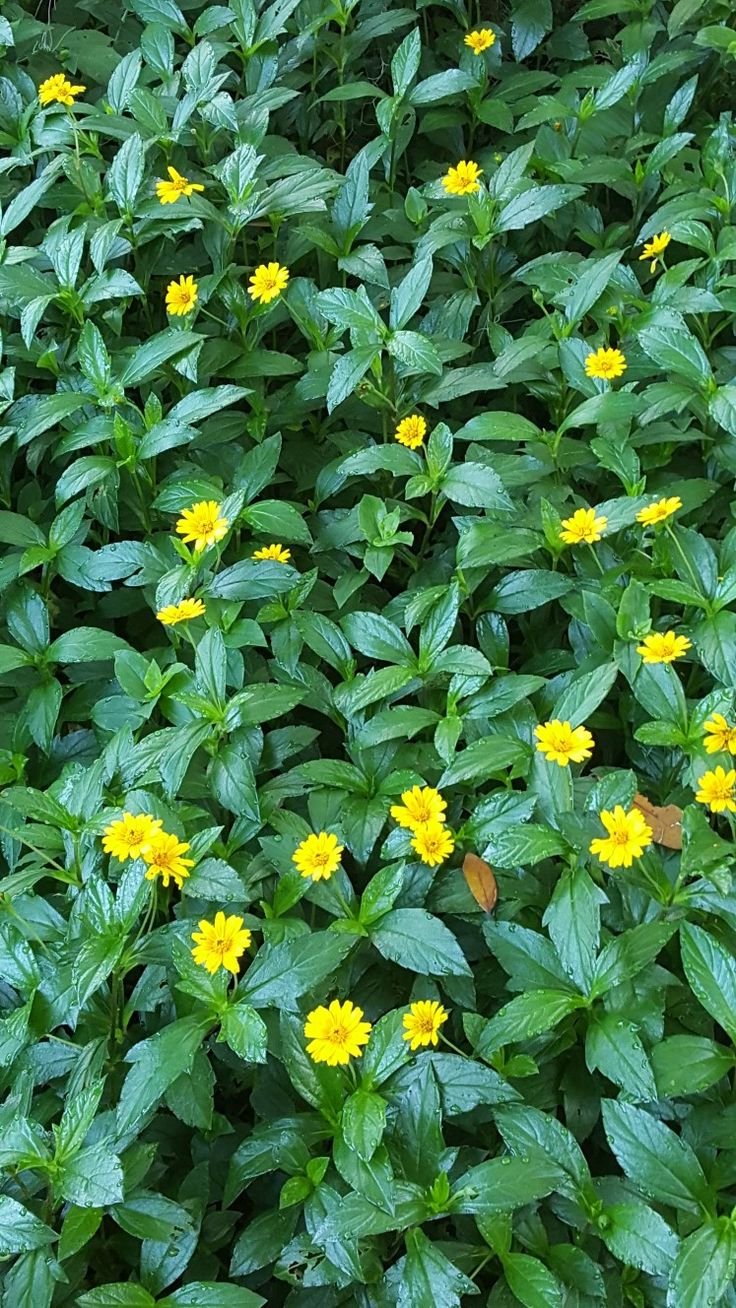
The Singapore daisy is an invasive plant known for its bright-yellow,daisy-like flowers and its ability to spread rapidly as a dense,mat-forming dense cover. It is native to Central and South America and spreads vegetatively by stems that root wherever they touch the ground, allowing a small piece to cover large areas. Its dense growth smothers native vegetation, leading to ecological loss, and can compete with crops, causing economic damage.
9.LUDWIGIA (PRIMROSE-WILLOW)
കുളകരയാമ്പു
FAMILY:ONAGRACEAE
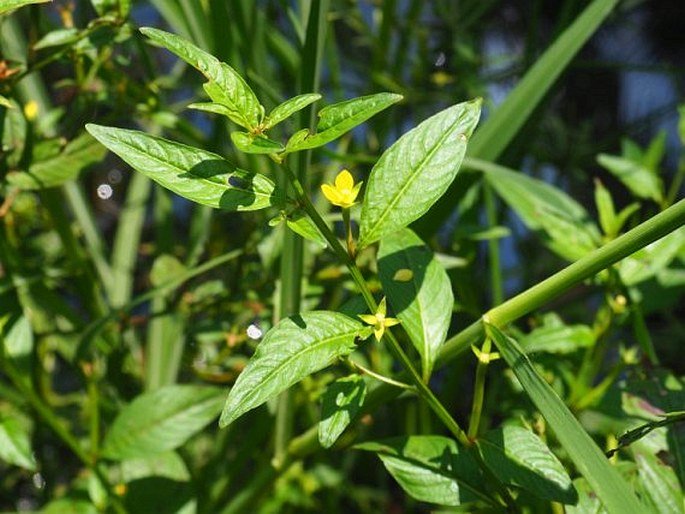
Ludwigia hyssopifolia,also known as seedbox or linear leaf water primrose, is an invasive, fast-spreading annual herb that thrives in wet, marshy areas and is considered a serious weed in lowland rice fields. Although primarily a wetland species, it is also highly invasive in disturbed, moist terrestrial environments like ditches and agricultural land.
10.MELOCHIA CORCHORIFOLIA (CHOCLATE WEED)
ചെറു ഊരം
FAMILY:MALVACEA
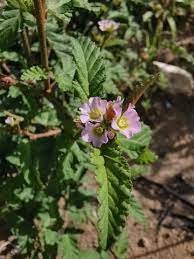
Melochia corchorifolia, also known as "chocolate weed," is an invasive annual or perennial herbaceous plant that thrives in tropical and subtropical regions. It is considered a troublesome weed, particularly in agricultural fields like cotton and soybean plantations, because it can spread rapidly and is a host for fungal diseases.
11.HYPTIS (PIGNUT)
നാറ്റപ്പൂച്ചെടി
FAMILY:LAMIACEAE
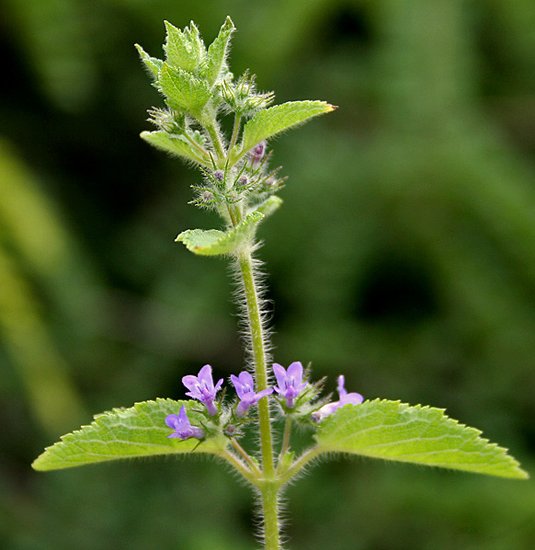
Hyptis suaveolens, also known as pignut or stinking Roger, is an aggressive, fast-growing annual herb native to the Americas that is now invasive in many parts of the world. It forms dense thickets, outcompetes native plants, and negatively alters soil properties, significantly reducing biodiversity in invaded areas. Its success is due to vigorous growth, prolific seed production, and allelopathic effects that inhibit other plants.